
Gita Furman's Fight to Stay Alive
The Tattooist of AuschwitzThis main thread traces Gita Furman's path from the tattoo table through typhus, forced labor, the death march, and her eventual reunion with Lale Sokolov.
increasing Bearing strength in each event
 decreasing
Bearing strength in each eventdecreasingFirst Marking
First Marking
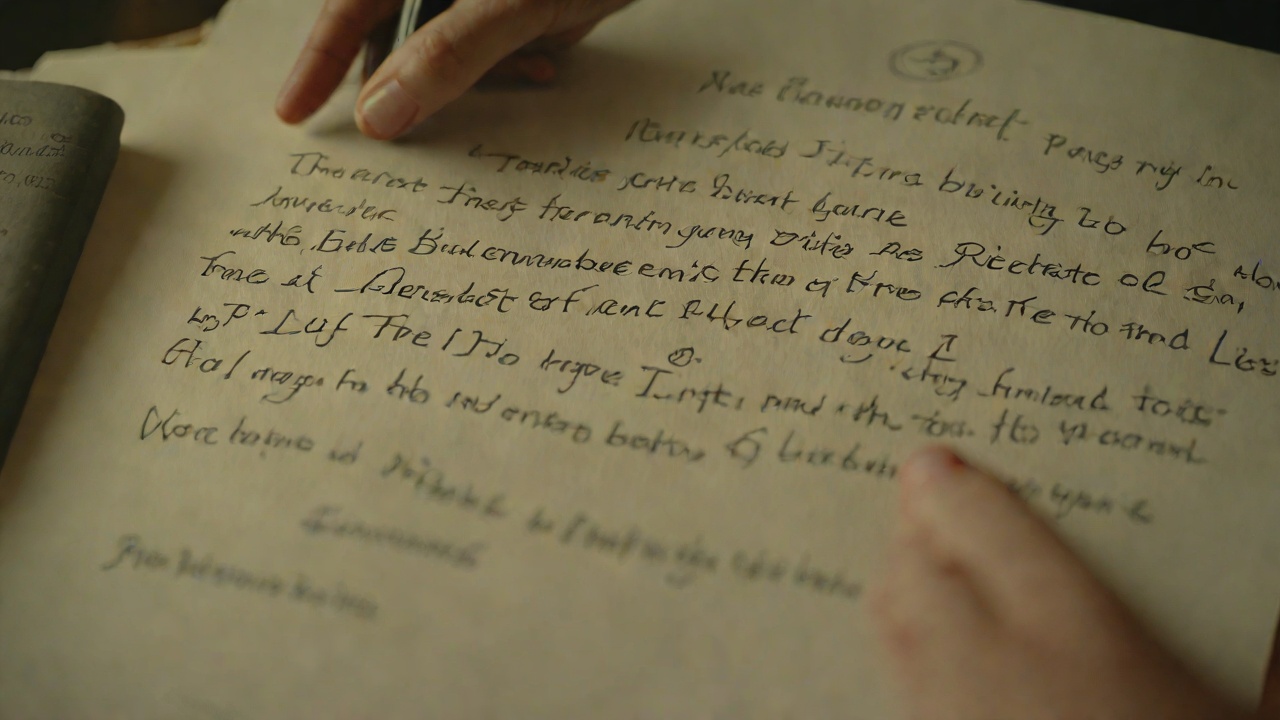
Gita Furman is one of dozens of young women brought to Birkenau to have faded numbers redone. Lale Sokolov, still new to the tattoo trade, is horrified to defile young girls. He holds her arm gently and tries to make the number as clean as possible.
The Man in White
A doctor in a white coat inspects Gita's face roughly. She nearly speaks, but Lale squeezes her arm and mouths 'Shh.' When the doctor leaves, Lale finishes the number 34902 and looks into her eyes.
A First Glimpse
The moment changes both of them. Gita's eyes dance before Lale, and he feels his heart stop and begin again. She is gone before he can learn her name, but he has already recognized her as someone unforgettable.
Canada Labor
Canada Labor
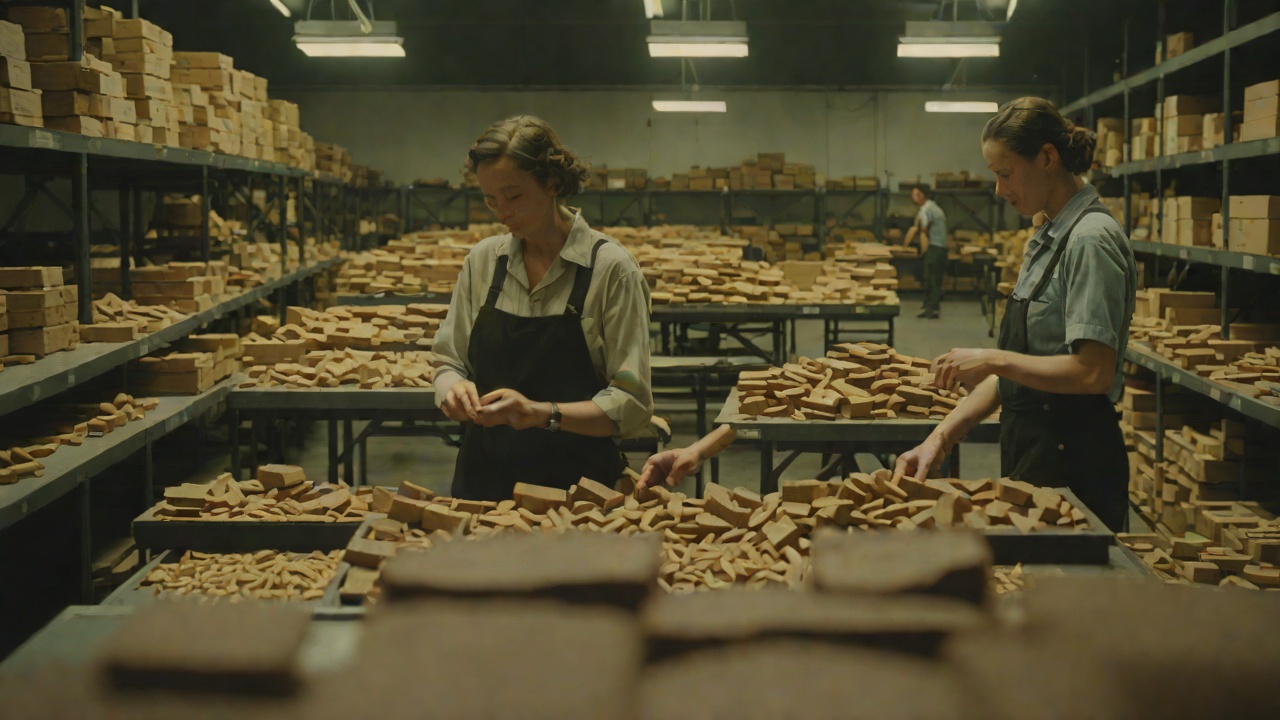
Gita Furman works in the Canada warehouse, sorting the confiscated belongings of prisoners and victims. She finds moldy bread more often than jewels and constantly watches for SS officers.
The Danger of Small Luxuries
Lale Sokolov asks her to be careful after he hears rumors about women finding money and gems. Gita understands the risks: a single suspicious gesture can mean death.
Survival Work
The Canada warehouse provides warm shelter and occasional food, but it is still prison work. Gita learns to keep her face blank and her eyes low while dreaming of a country where life could be different.
Typhus Crisis
Typhus Crisis
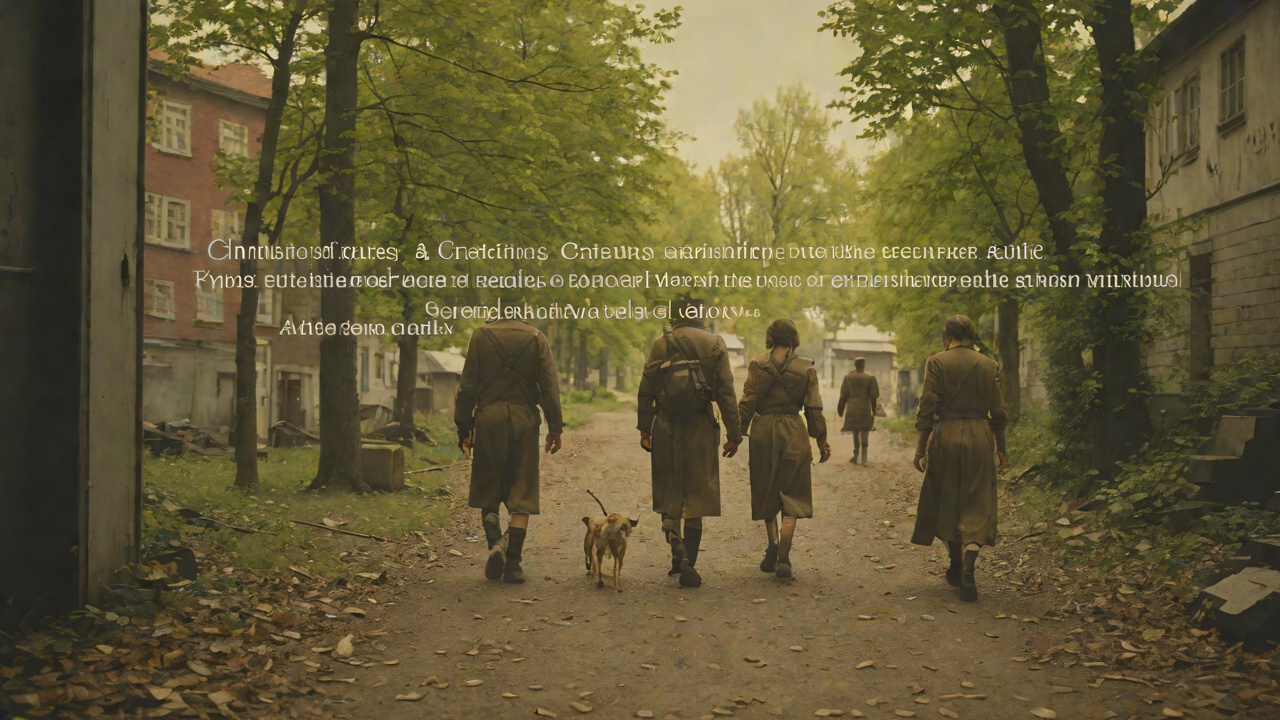
Gita Furman falls ill with typhus and cannot walk. Her friend Dana runs to Lale Sokolov, and Lale promises to find medicine. He tells Dana to hide Gita in the Canada warehouse during the day, away from the hospital and its deadly reputation.
Penicillin and Snow
Victor and Yuri smuggle penicillin into the camp, and Dana and Ivana force liquid medicine into Gita's mouth while she sinks into unconsciousness. For days they carry her back and forth, hiding her from the SS.
Return from the Brink
Gita slowly recovers, and Lale persuades Stefan Baretski to get her transferred to the administration building. The illness nearly kills her, but the network of friendship and bribery saves her life.
Administration Office Work
Administration Office Work
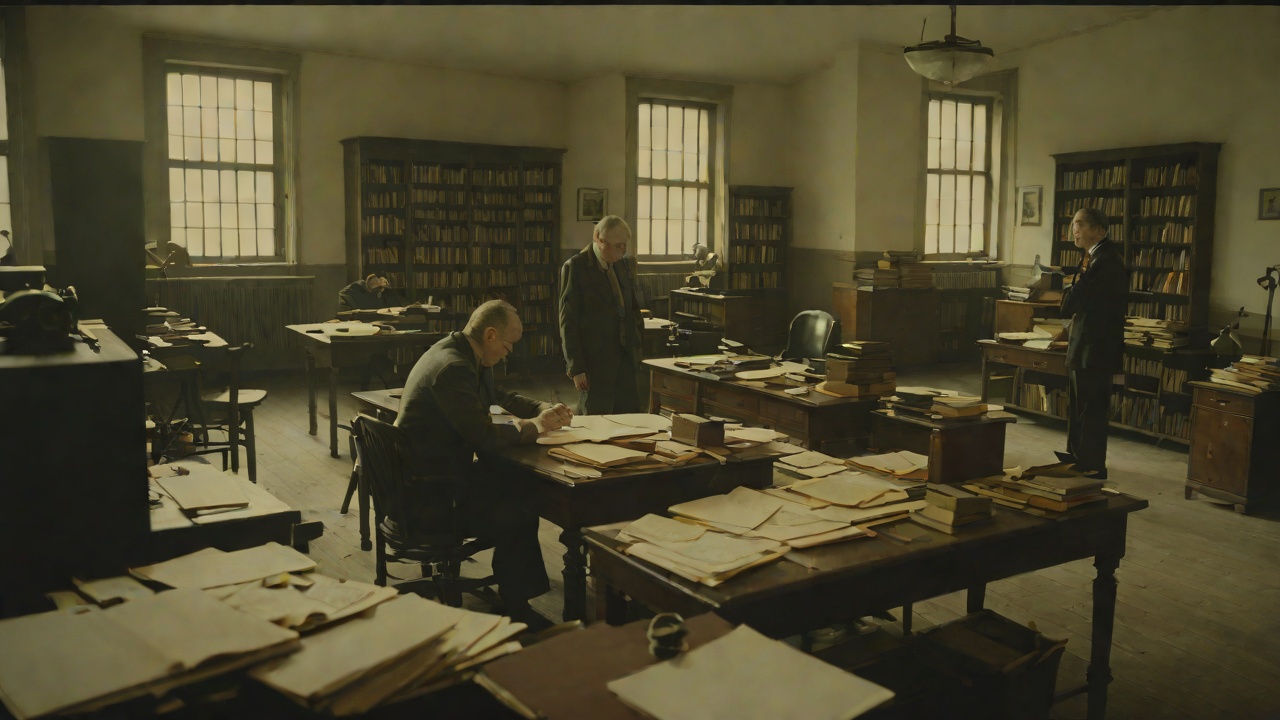
Gita Furman is escorted into the warm administration building and set to work transcribing names and details into leather-bound books. She meets Cilka, a girl from Block 25 who works beside her.
Names, Not Numbers
Gita sees that each card carries a person's age, birthplace, and history. She realizes that while Lale Sokolov sees numbers, she sees the lives behind them, and the knowledge will haunt her.
A Winking Link to Lale
Lale walks past her desk in the office and winks, making Gita gasp. Her colleagues nudge her back to work. The transfer is a fragile privilege, but it gives her a better chance of survival and a daily glimpse of Lale.
Death March Escape
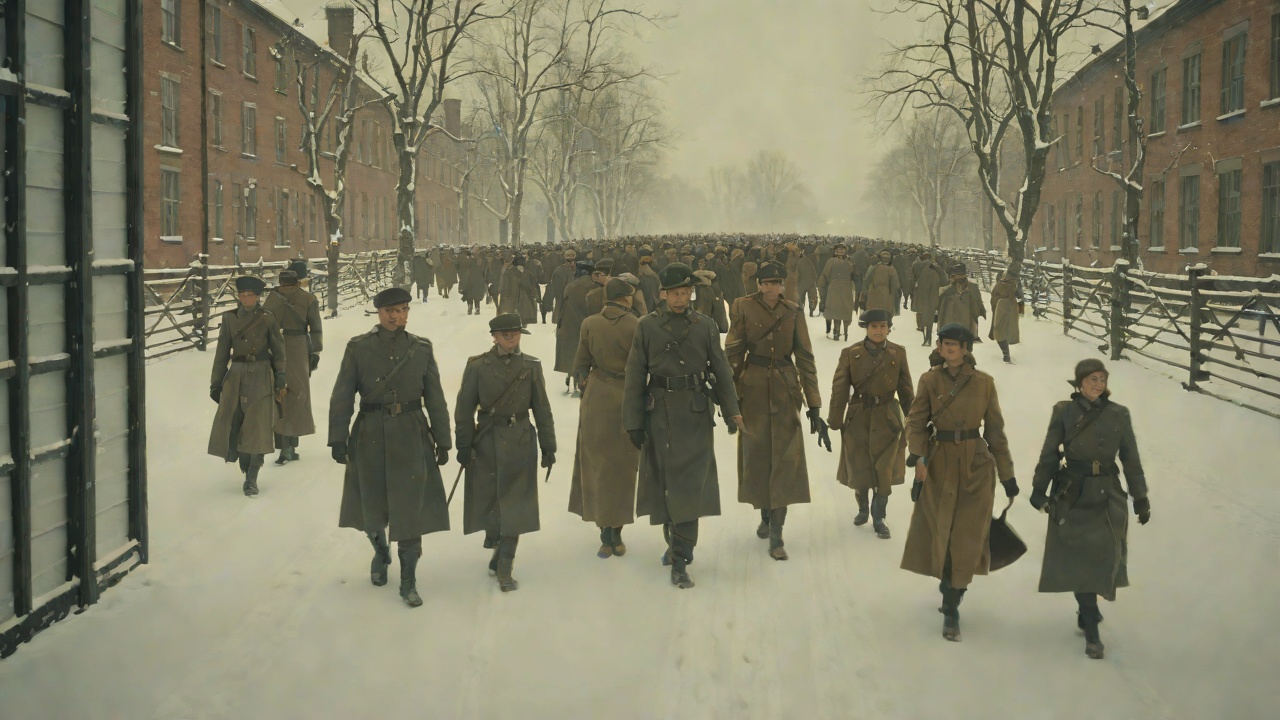
Death March Escape
Gita Furman marches through ankle-deep snow with thousands of women. The columns are strafed by random gunfire, and those who fall are left behind. Gita walks arm in arm with Dana, searching for Cilka and Ivana.
Dana Falls
At night Dana collapses and refuses to move. Four young Polish women pull Gita away from her friend. When an SS officer reaches Dana, he walks on without shooting, leaving Gita to wonder whether Dana is alive or dead.
The House at Dawn
The survivors reach a train track, and four Polish girls decide to run for a nearby house. Gita runs with them. The homeowners burn away the red slashes on their coats and hide them in the woods, beginning Gita's escape to freedom.
Bratislava Reunion
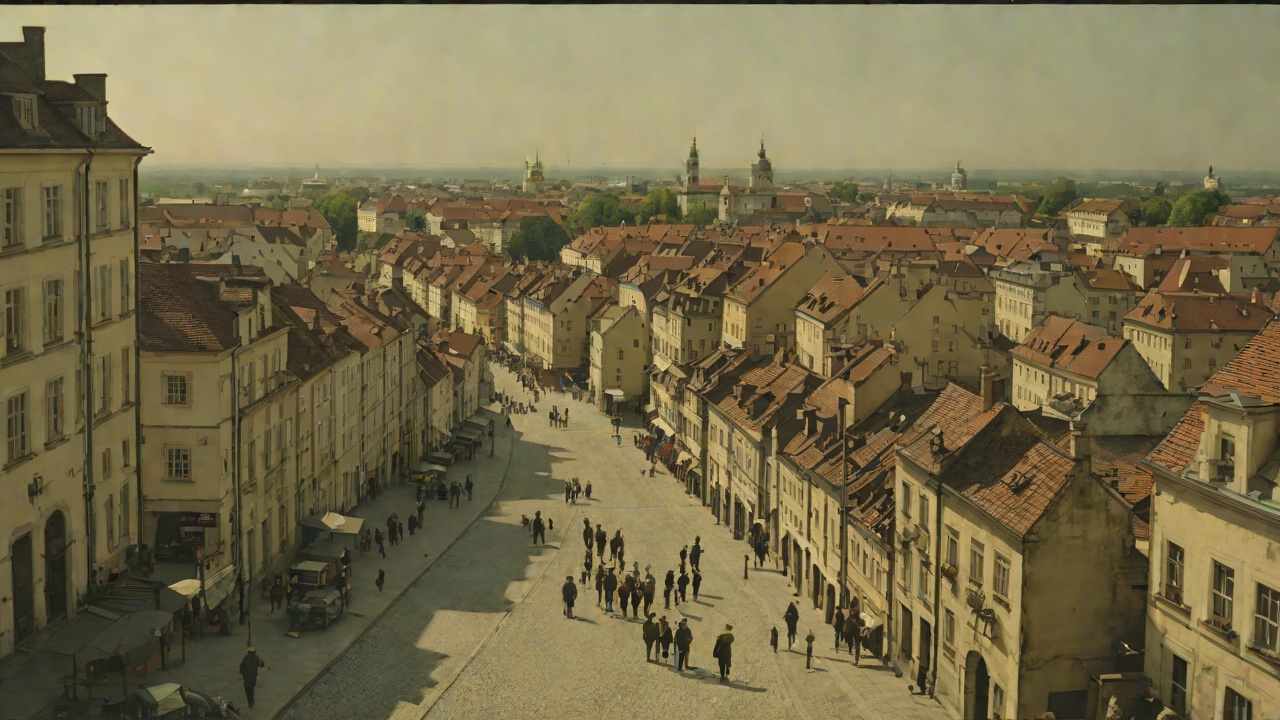
Bratislava Reunion
Gita Furman reaches Bratislava after surviving the death march, hiding in villages, and working her way back from Krakow. She registers with the Red Cross and learns that her brothers have survived in Russian uniform.
Walking in the Crowd
While walking with two friends, Gita sees a strange horse-drawn cart and a young man standing in the back. The horse stops in front of her, and Lale Sokolov climbs down and kneels in the street.
A Yes and a Future
Gita tells him she loves him, and he asks her to marry him. She accepts. The war has taken her parents and sisters, but it has not taken her ability to choose a future with Lale.
July 1942, when women are transferred from Auschwitz to Birkenau
late 1942, in the Canada warehouse
winter 1942–43, when typhus spreads through Block 29
early 1943, after Gita's transfer to the administration building
January 1945, during the evacuation from Birkenau
summer 1945, before the couple's marriage
